New Breakthroughs in Hepatitis C Treatment
Hepatitis C has been in the picture for years, and for too long, the word around it has been fear, shame, and slow death. However, everything is changing now, and science is not standing still either.
Why Early Detection and New Treatments Matter More Than Ever
Hepatitis C is no longer a life sentence. Those words used to mean something very final. But now? New treatment options are emerging, and they are showing improvement over previous results.
Some people don't even know they are infected until it becomes too serious, and that's a significant problem. By the time they feel something, it has already damaged the liver. And by then, the cost, the Stress, the tears—everything becomes too heavy. This is why the world is focusing on new treatments. Not just something that controls the virus, but one that clears it.
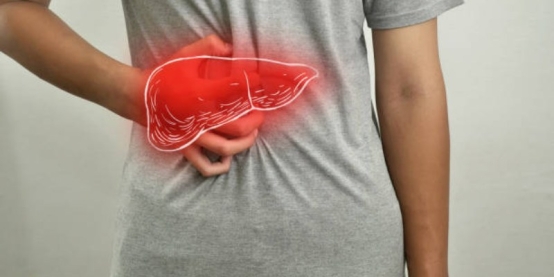
What Makes Hepatitis C Dangerous
People often act as if only diseases with visible signs are dangerous. But Hepatitis C can live in a person's body for years without showing up on the surface. No rashes. No constant fever. Nothing loud. But deep inside, it's tearing up the liver, building up into cirrhosis, liver failure, or liver cancer.
Some people think it’s just about staying away from unclean needles or avoiding blood contact. But it’s bigger than that now. Hepatitis C can spread through organ transplants, sexual contact, and even sharing personal items like razors. There’s no vaccine yet. That’s why catching it early and treating it fast is the only clear move right now.
Game-Changing Drugs Are Here
For a long time, treatment meant using interferon injections and ribavirin. Painful shots. Weeks of sickness. Side effects that break people down. And even after all that, the virus sometimes stayed.
That's no longer the case. Direct-acting antivirals (DAAs) are the new kings in this fight. These drugs don't just attack the virus. They block it at different stages, stopping it from growing or spreading. The results are powerful. In approximately 8 to 12 weeks, DAAs can eliminate the virus in most people. That is not hype. That is what the data is saying.
The cure rate has reached over 95% in many patient groups. These drugs come in pills. No injections. No hospital beds. Most people experience no significant side effects and can continue their daily activities and lives while undergoing treatment for the infection.
New Research Is Making Things Even Better
Every year, scientists go deeper. They're not just happy with a cure. They want faster cures, more affordable access, and improved protection against resistance.
Some companies are now developing pan-genotypic medications, which means a single drug can be effective against all types of the virus. This helps people who are unaware of their genotype or can't afford genotype testing. It also means faster treatment decisions for doctors.

There's also progress in treating Hepatitis C in special groups—like those with HIV, pregnant women, and people with kidney disease. For years, these people had limited options. Now, they can benefit from the same fast-track treatments. Clinical trials are also being conducted to test shorter durations. Some drugs are working in just 6 weeks, and that's not something anyone would have thought possible 10 years ago.
The Problem Isn’t Always the Virus—It’s Access
There’s a sad truth. Even when good drugs are on the shelf, many people never get them. And not because they don’t want help. It’s because the money, the structure, or the country they live in is not helping them get there.
DAAs can be expensive. In some places, the whole treatment costs thousands of dollars. This is why groups like the WHO and other global health organisations are working to promote the development of cheaper generic versions, especially in countries with high infection rates. If people can't afford the cure, then we are back at square one.
Testing is another problem. Some people don’t get diagnosed early enough. Some fear the stigma. Others think it’s a death sentence. But if people don’t test, how can they treat?
Treatment is Working—But Awareness Still Needs Work
The new drugs are powerful. The numbers are substantial. But the street still talks like Hepatitis C is some mystery ghost. Many people are unaware of what it is. Others are unsure of how it spreads. And even those who do, don't know the treatment has changed. People are still afraid because they're working with old information.
That fear becomes silence. And silence kills. Friends, stop talking. Families hide it. Communities ignore it. But the virus doesn't care about silence. It keeps moving.

There needs to be more effort in public awareness. Schools. Hospitals. Media. Conversations at home. Everyone must know what Hepatitis C is and how easily it can now be treated, especially when caught early.
A Cure Doesn’t Mean the Fight Is Over
Just because the virus can now be cured doesn’t mean the fight is done. Many people still live with liver damage because they didn’t catch it early. Some are still dealing with liver transplants, hospital visits, and medication to manage the long-term effects. The cure works best when it comes before the damage is done.
So, the talk now is not just about better drugs. It’s about early diagnosis, regular check-ups, and preventive education. That’s the only way to stop the virus before it becomes something worse.